Crispy Homemade Gluten-Free Cheese Crackers Recipe
2026-09-07
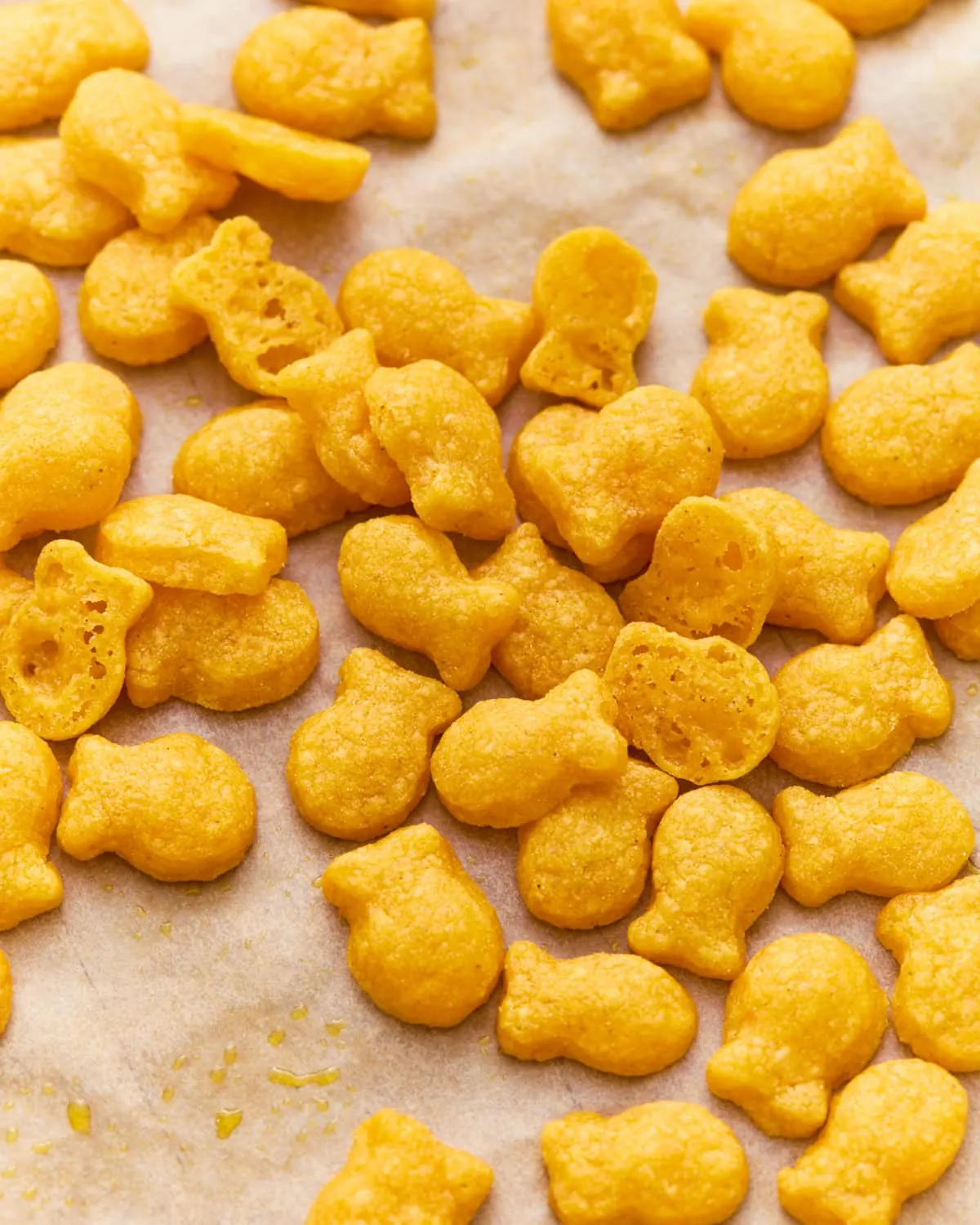
Yellow square cheese crackers were my childhood addiction.
When a doctor told me to quit gluten ten years ago, I bought every box of gluten-free crackers on the shelf. Total waste of thirty dollars. They tasted like stale corn chips dusted in fake orange salt.
So I started baking them from scratch in our bakery back kitchen.
My first five test sheets were awful. Some batches came out like soft cheddar scones. Other batches puffed into round balls and leaked hot grease all over the parchment paper.
Two small adjustments saved the entire recipe.
First, throw away pre-shredded cheese bags. Starch coatings on shredded grocery cheese kill dough texture. You have to grate a cold brick of extra-sharp cheddar yourself on a box grater.
Second, get a wooden rolling pin and roll that dough down until it looks like a sheet of newspaper. Poke each little square right in the belly with a skewer.
Bake hot for twelve minutes. They shatter with that exact salty snap you remember from red cardboard boxes.
Quick Baker's Notes for Best Results
- Cheese-to-Flour Ratio: 1.6:1 (225g sharp cheddar to 140g flour for maximum cheese punch without greasiness).
- Dough Thickness Target: Exactly 1.5mm to 2mm (anything thicker turns into soft cheddar biscuits).
- Steam Vent Docking: 1 center perforation per cracker to vent internal moisture and prevent puffing.
- Baking & Dehydration Window: 15 minutes at 350°F (177°C), followed by 10 minutes in the cooling oven.
The Non-Negotiable Rule: Never Use Pre-Shredded Cheese
If you take only one piece of advice from this guide, let it be this: buy a block of extra-sharp cheddar and shred it yourself.
Pre-shredded bagged cheese from the grocery store is coated with powdered cellulose (wood pulp) and potato starch to prevent the shreds from clumping in the bag. While that anti-caking agent works for tacos, it is absolute poison for cracker dough. The cellulose creates a physical barrier that prevents the cheese from melting into the flour starches, resulting in a gritty, greasy dough that tears when rolled and turns soggy in the oven.
A block of real, sharp cheddar delivers natural moisture, milk fat, and casein protein that melt directly into the rice starches, forming the structural glue of your cracker dough. Consult the USDA FoodData Central sharp cheddar cheese nutrient composition to review moisture and butterfat standards for aged dairy.
The Chemistry of Cracker Snap: Starch, Fat, and Steam
Traditional wheat crackers rely on laminated gluten sheets to create tiny, flaky layers. In gluten-free baking, we engineer that flakiness using cold butterfat and rapid steam release:
1. Cold Butter Pockets
When pea-sized bits of ice-cold butter hit a 350°F oven, the water inside the butter flash-steams into gas, puffing micro-layers into the cracker before the cheese fat sets. This creates delicate, airy flakes rather than a solid, brick-like cracker. As highlighted in the King Arthur Baking guide on rolling laminated cracker dough, keeping dough fats cold during handling is the secret to crisp pastry.
2. The 1.5mm Rolling Threshold
Thickness is everything. If your dough is rolled to 4mm, internal steam cannot escape before the exterior browns, leaving your cracker centers soft and chewy. Rolling the dough between parchment sheets to an exact 1.5mm to 2mm thickness guarantees that all water evaporates during the bake, locking in that brittle snap.
3. Center Docking
Have you ever wondered why commercial crackers have a tiny hole punched in the center? That hole is called a "dock." Docking vents trapped steam from the core of the cracker, ensuring the cracker remains completely flat and crisp rather than ballooning into a hollow, fragile pillow.
Ingredients
Precision measuring is vital when balancing dairy fat and dry starches. Always weigh your ingredients using our density-accurate cups to grams converter to avoid packing excess flour into the dough.
- Extra-Sharp Cheddar Cheese (freshly grated from a block): 225 grams (8 ounces)
- Unsalted Butter (ice-cold, cubed into 1/4-inch pieces): 55 grams (4 tablespoons)
- Gluten-Free 1-to-1 Flour Blend (with xanthan gum): 140 grams (1 cup)
- Cornstarch: 15 grams (tenderizes rice starches for a brittle snap)
- Fine Sea Salt: 3 grams (0.5 teaspoon)
- Garlic Powder: 1.5 grams (0.25 teaspoon)
- Onion Powder: 1.5 grams (0.25 teaspoon)
- Smoked Paprika: 1 gram (adds color and subtle depth)
- Ice-Cold Water: 25 to 30 grams (1.5 to 2 tablespoons)
- Flaky Sea Salt (for surface dusting): 2 grams
Step-by-Step Instructions
1. Process the Cheese and Dry Base
In the bowl of a food processor fitted with the steel blade, combine the gluten-free flour, cornstarch, salt, garlic powder, onion powder, and smoked paprika. Pulse for 10 seconds.
Add the 225 grams of freshly grated cheddar cheese and 55 grams of cold cubed butter. Pulse in 1-second bursts for about 30 seconds until the mixture resembles coarse yellow cornmeal and no large butter chunks remain.
2. Hydrate into a Dough Ball
Drizzle in 25 grams of ice-cold water. Pulse continuously for 15 to 20 seconds. The dough will look crumbly at first, then suddenly ball up and pull completely away from the sides of the bowl. If it looks dry and dusty, add the remaining 5 grams of cold water.
Turn the dough out onto a clean work surface and press it together into a smooth, cohesive disc.
3. The 30-Minute Refrigerator Chill
Divide the dough into two equal portions. Place each portion between two large sheets of unbleached parchment paper. Using an adjustable rolling pin, roll the dough outward from the center until it forms a uniform sheet roughly 1.5mm to 2mm thick.
Slide the parchment sheets onto a baking tray and refrigerate for 30 minutes. Chilling solidifies the butterfat and cheese proteins, making clean cutting effortless.
4. Cutting and Docking
Preheat your oven to 350°F (177°C). Line two heavy aluminum baking sheets with fresh parchment paper.
Peel back the top parchment layer from your chilled dough sheet. Using a fluted pastry wheel or a 1-inch square cracker cutter (or fish-shaped mini cutter), cut the sheet into neat individual crackers. Transfer the cut crackers onto your prepared baking sheets, leaving 1/2 inch of space between them.
Use a wooden toothpick or cake tester to poke a single clean hole straight through the center of every cracker. Dust the tops lightly with fine sea salt.
5. The Two-Stage Crisp Bake
Slide the sheets onto the center oven racks and bake for 14 to 16 minutes at 350°F. Watch them closely during the final two minutes: the edges should turn golden bronze, and the surface should look matte and dry.
Turn the oven off, prop the oven door open about two inches with a wooden spoon, and allow the crackers to rest inside the cooling oven for 10 minutes. This desiccation step bakes out any lingering trapped moisture from the cheese fats, locking in a loud, shattering crunch that lasts for weeks.
Transfer the crackers to a wire rack to cool completely to room temperature.
Commercial Costing and Safe Kitchen Protocols
Savory snack crackers carry outstanding profit margins for cottage bakeries and specialty food shops because cheese crackers have a long shelf life when heat-sealed in moisture-barrier bags. Follow FDA dairy labeling and safe storage guidelines for commercial food compliance. If you plan to sell these crackers in packaged snack pouches or party bundles, calculate your volume margins using our bakery discount calculator for pricing wholesale snack crackers and track your dairy and packaging overhead in our bakery profit margin calculator.
Storage and Snacking Tips
Store your cooled cheese crackers in an airtight container or glass cookie jar at room temperature for up to 10 days. If they ever lose a bit of their crunch in humid weather, pop them back on a baking sheet at 300°F (150°C) for 3 to 4 minutes to restore their snappy bite.
If you're packaging savory bakes for a cottage food business, you can check batch margins with our Bakery Profit Margin Calculator.
Making gluten-free cheese crackers from scratch is easier than you might think, and the sharp cheddar flavor beats boxed snacks every single time. Keep a jar on the counter for afternoon snacking or pair them with your favorite soup or dips. Enjoy the crunch!
Baking or Selling This Recipe? Use Our Free Tools
Baking in Your Kitchen? Convert & Scale in Grams
Measuring cups can vary by up to 25% in flour weight. Convert cups to exact metric grams or scale this entire recipe (2x, 3x) in seconds.
Selling Custom Cakes? Price for Real Bakery Profit
Calculate ingredient food costs, packaging, and labor to set high-margin pricing for your home bakery or custom pastry orders.

Sara Ait Dahan
Professional Baker & Founder of Sweety's Bakery
Passionate about baking precision and culinary science, Sara founded Sweety's Bakery to empower home bakers and pastry chefs worldwide. Built from real bakery workbench experience, she creates tested gluten-free recipes, calibrated density calculators, and bakery business tools.