Gluten-Free Mary Berry Chocolate Cake Recipe: Classic & Indulgent
2026-09-12
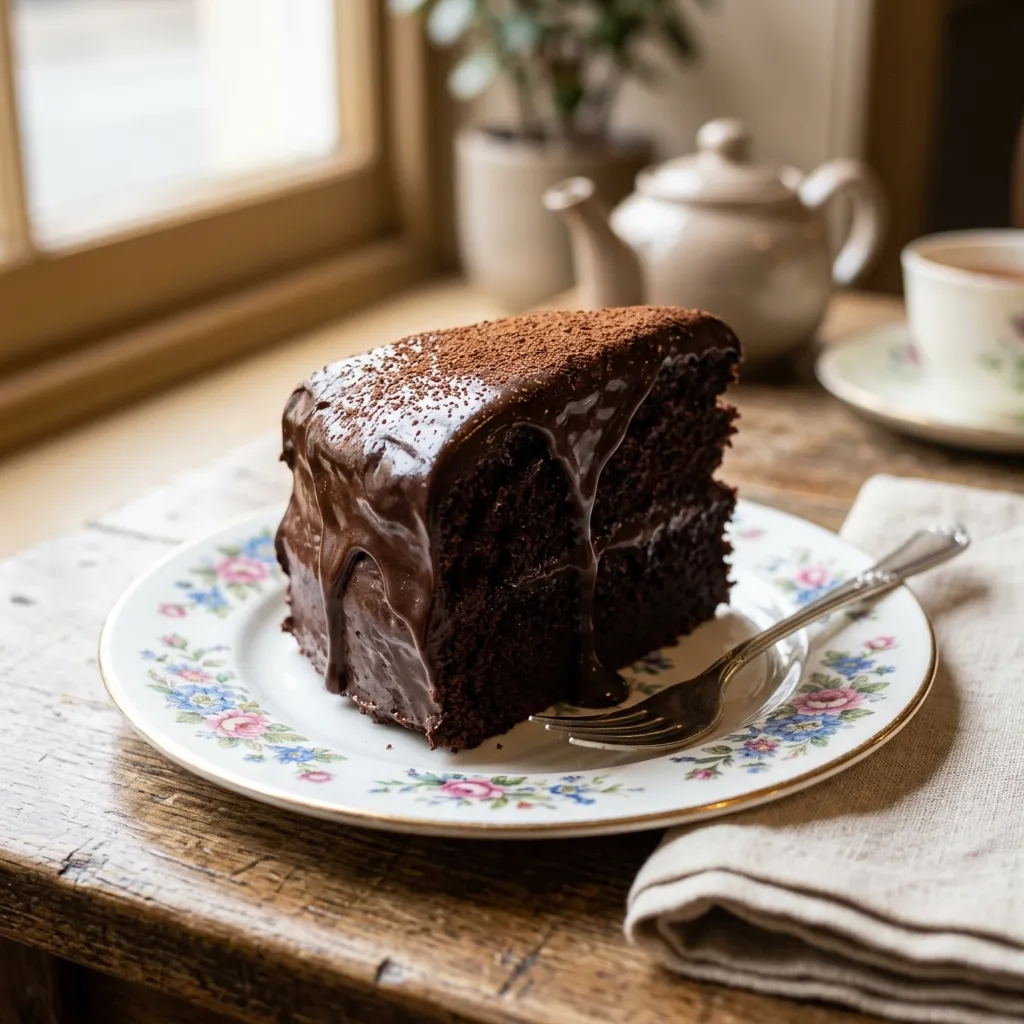
I have baked Mary Berry's celebrated chocolate sponge more times than I can count across my culinary career. Her recipe is virtually sacred in British households: you take equal weights of baking spread, caster sugar, and self-raising flour, toss them into a mixing bowl with eggs and cocoa powder, beat for two minutes, and emerge with a featherlight celebration cake.
However, if you attempt Mary's legendary "all-in-one" dump method using gluten-free flour, you are in for an unpleasant surprise. Standard wheat flour has tough gluten proteins that withstand aggressive electric beaters while trapping trapped air. Gluten-free starches, by contrast, shear under high-speed beating, causing the fat emulsion to break and resulting in a dense, rubbery sponge that barely rises out of the tin.
At Sweety's Bakery, we spent weeks in our test kitchen refining Mary's iconic recipe. We preserved her perfect flavor balance—including her genius secret of brushing the sponge with warm apricot jam—while re-engineering the mixing method to give gluten-free bakers that signature fluffy, regal British crumb.
Quick Baker's Notes for Best Results
- Equal-Weight Baseline: 225g butter, 225g caster sugar, 190g gluten-free flour, and 35g cocoa powder.
- Apricot Jam Crumb Barrier: 40g sieved, warmed apricot jam brushed across warm layers to trap humidity.
- Oven Temperature: 160°C Fan / 180°C Conventional (320°F Fan / 350°F Conventional).
- Internal Doneness Point: 204°F to 206°F measured at the core with an instant-read probe.
The Mary Berry Secret: The Apricot Jam Glaze
Most modern bakers skip the apricot jam step because they think it sounds old-fashioned. That is a massive culinary oversight.
Mary Berry's signature technique involves brushing warm, sieved apricot jam directly over the freshly baked sponge layers before applying the rich fudge frosting. This performs three critical scientific functions:
- Moisture Seal: Warm sponge readily absorbs the pectin-rich apricot glaze, creating an impermeable moisture barrier that stops the crumb from drying out over several days.
- Crumb Lock: The sticky glaze glues down loose sponge crumbs, functioning like an invisible crumb coat so your dark chocolate icing glides across the cake without dragging debris.
- Acidic Contrast: The subtle stone-fruit acidity cuts through the heavy butterfat and cocoa richness, preventing palate fatigue after two bites.
Why the Classic "All-In-One" Method Fails for Gluten-Free Flours
Mary Berry famously champions the all-in-one method: dumping softened butter, sugar, eggs, flour, and cocoa powder into a single bowl and beating on high for two minutes.
In gluten-free baking, this creates a split batter. Gluten-free flour blends consist of rice flour, potato starch, and tapioca flour, which absorb liquids at drastically different rates than wheat. Dumping cold eggs and liquids onto room-temperature butter all at once overwhelms the fat molecules, causing the emulsion to curdle into small cheese-like curds.
To solve this, we use a staged creaming technique:
- We beat the softened butter and caster sugar first to build a network of microscopic air pockets.
- We incorporate room-temperature eggs one by one to form an unbreakable water-in-fat emulsion.
- We gently fold in the sifted dry ingredients by hand to preserve the fragile trapped air without tearing the rice starch matrix.
Ingredients
Precision measuring is essential when adapting royal British baking classics. Always measure dry ingredients by weight using our baking conversion tool for exact gram measurements rather than unpredictable measuring cups.
For the Gluten-Free Chocolate Sponges:
- Gluten-Free 1-to-1 Baking Flour (with xanthan gum): 190 grams
- Unsweetened Dutch-Processed Cocoa Powder: 35 grams
- Double-Acting Baking Powder (gluten-free certified): 8 grams (2 teaspoons)
- Fine Sea Salt: 2 grams (0.5 teaspoon)
- Unsalted Butter (softened to 65°F): 225 grams
- Golden Caster Sugar: 225 grams
- Large Free-Range Eggs (at room temperature): 4 (200 grams out of shell)
- Whole Milk (room temperature): 30 grams (2 tablespoons)
- Pure Vanilla Extract: 5 grams (1 teaspoon)
- Boiling Water: 30 grams (2 tablespoons, to dissolve cocoa)
For the Glaze and Chocolate Fudge Frosting:
- Smooth Apricot Jam: 40 grams (2 tablespoons, sieved and warmed)
- Dark Chocolate (54% to 70% cocoa solids, chopped): 175 grams
- Double Cream (or Heavy Whipping Cream): 150 grams
- Unsalted Butter: 30 grams
Step-by-Step Instructions
1. Tin Preparation and Oven Setup
Preheat your oven to 160°C Fan / 180°C Conventional (320°F Fan / 350°F Conventional). Lightly butter two 20cm (8-inch) round sandwich cake tins and line the bottom bases with non-stick baking parchment circles.
2. Bloom the Cocoa Powder
In a small heatproof bowl, whisk the 35 grams of cocoa powder with the 30 grams of boiling water until a smooth, shiny paste forms. Stir in the whole milk and vanilla extract. Set this mixture aside to cool slightly. As noted in the BBC Good Food classic British sponge method guide, hydrating cocoa powder with warm liquid prevents it from sucking essential moisture out of the delicate cake batter.
3. Cream Butter and Caster Sugar
In a large mixing bowl, beat the softened butter and golden caster sugar with an electric hand mixer (or stand mixer fitted with the paddle attachment) for 3 to 4 minutes until the mixture turns pale ivory, light, and airy.
4. Incorporate Eggs Slowly
Add the eggs one at a time, beating for 30 seconds after each egg until fully absorbed. If the batter threatens to split, toss in a single tablespoon of your flour blend to stabilize the fat. Stir in the cooled cocoa paste on low speed until homogenous.
5. Sift and Fold Dry Ingredients
Sift the gluten-free flour, baking powder, and fine sea salt directly into the bowl. Using a large metal spoon or silicone spatula, fold the dry ingredients in with slow, gentle figure-eight motions just until no dry flour is visible.
6. The Bake
Divide the batter equally between your two prepared tins (roughly 460 grams per tin) and smooth the tops gently with an offset spatula.
Bake on the middle oven rack for 24 to 28 minutes. The cakes are done when they are well-risen, spring back gently when pressed in the center, and register 205°F on a digital probe thermometer. Leave the sponges in their tins for 5 minutes, then run a thin palette knife around the rims and invert them onto wire cooling racks.
7. The Warm Apricot Glaze
While the sponges are still warm, warm 40 grams of sieved apricot jam in the microwave for 15 seconds. Using a pastry brush, gently glaze the top of both warm sponge layers with a thin, glistening sheen of jam. Let the sponges cool completely.
8. Prepare the Fudge Icing and Assemble
Heat the double cream in a small pan until simmering. Remove from the heat, add the chopped dark chocolate and 30 grams of butter, and let stand for two minutes. Whisk until glossy and smooth. Let the icing cool for 45 minutes until it thickens to a spreadable frosting consistency.
Place one sponge on a cake plate (jam side up). Spread with one-third of the fudge icing. Set the second sponge on top (jam side down, pressing against the icing). Spread the remaining icing across the top and sides, using your palette knife to create Mary Berry's signature swirl pattern.
Commercial Costing and Safe Kitchen Protocols
When baking gluten-free celebration cakes for retail clients or party orders, cross-contamination prevention must be strictly maintained. Verify that your flours and chocolate adhere to Coeliac UK certified gluten-free manufacturing standards. Cross-reference nutrient thresholds using the USDA FoodData Central nutrient composition of pure cocoa solids, and run your batch costs through our bakery profit margin calculator to price your custom cakes for genuine commercial profitability. (For an even deeper breakdown of British chocolate baking traditions, read our deep dive on British chocolate cake recipes.)
Storage and Make-Ahead Tips
Store the frosted cake under a cake dome or in an airtight cake carrier at room temperature for up to 3 days, or in the refrigerator for up to 5 days. Bring chilled slices to room temperature 20 minutes before serving so the chocolate ganache softens to a velvety texture.
If you're pricing custom celebration cakes, calculate your ingredient overhead and labor with our free Bakery Profit Margin Calculator.
Mary Berry's classic chocolate cake is a timeless British favorite for a reason, and this gluten-free version is just as tender, rich, and celebratory. Put the kettle on, slice a generous wedge, and enjoy a proper afternoon tea treat!
Baking or Selling This Recipe? Use Our Free Tools
Baking in Your Kitchen? Convert & Scale in Grams
Measuring cups can vary by up to 25% in flour weight. Convert cups to exact metric grams or scale this entire recipe (2x, 3x) in seconds.
Selling Custom Cakes? Price for Real Bakery Profit
Calculate ingredient food costs, packaging, and labor to set high-margin pricing for your home bakery or custom pastry orders.
Sara Ait Dahan
Professional Baker & Founder of Sweety's Bakery
Passionate about baking precision and culinary science, Sara founded Sweety's Bakery to empower home bakers and pastry chefs worldwide. Built from real bakery workbench experience, she creates tested gluten-free recipes, calibrated density calculators, and bakery business tools.