Bakery-Style Gluten-Free Blueberry Muffins: The Ultimate Recipe
2026-09-03
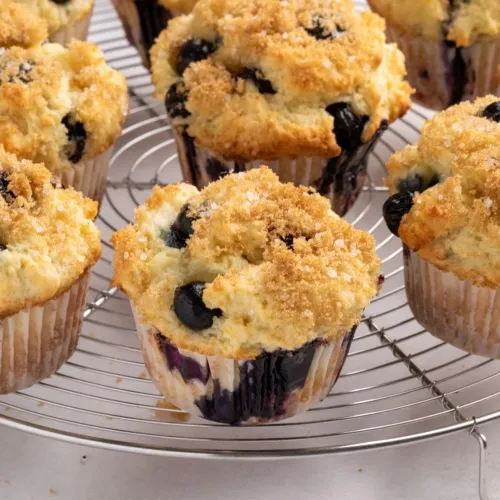
Every baker knows the sinking blueberry nightmare.
I still remember my first batch of gluten-free blueberry muffins. I peeled back the brown paper cup and found a disaster: every single blueberry had sunk to the metal bottom, charring into purple charcoal.
Meanwhile, the tops stayed flat as hockey pucks.
Back in 2022 at Sweety's Bakery, we threw away dozens of test trays trying to fix this mess.
Blueberries sink because standard gluten-free batter is way too thin. In wheat recipes, gluten strands act like a safety net that catches fruit. Rice flour can't do that on its own. If your batter is runny, heavy wet berries drop like rocks before the oven heat can set the crumb.
Our fix is dead simple.
We leave the bowl on our butcher block for twenty minutes to hydrate. Then we hit the oven with seven minutes of 425-degree heat before lowering the dial.
Berries stay suspended. Crowns shoot straight up into the air.
Quick Baker's Notes for Best Results
- Berry Payload per Batch: Exactly 225 grams (1.5 cups) of plump fresh or frozen unthawed blueberries.
- Thermal Shock Oven Profile: 425°F for 7 minutes, followed by 350°F for 16 to 18 minutes.
- Batter Rest Window: 20 minutes at 68°F to eliminate rice flour grit and build batter viscosity.
- Target Internal Core Temperature: 204°F to 206°F verified at the center with a digital probe.
The Physics of Berry Suspension: Why Fruit Sinks
Every baker has experienced cutting open a fresh muffin only to find a bare sponge on top and a swamp of hot fruit glued to the paper bottom.
Blueberries sink because raw fruit is dense and heavy compared to aerated batter. When batter heats in the oven, fats melt and starches liquefy before they set, creating a brief liquid window where gravity pulls heavier objects downward. As highlighted in the King Arthur Baking test kitchen guide to preventing sunken fruit in quick breads, dusting fruit in dry starch creates friction against the batter matrix while absorbing early fruit juices.
In our test kitchen, we take this a step further: we formulate a thick, spoonable batter that holds its own weight, toss the fruit in cornstarch, and fold two-thirds of the berries into the base while reserving the final third to press directly into the top of each portioned cup before baking.
Fresh vs. Frozen Blueberries: The Rules of Engagement
You can use either fresh or frozen blueberries with this recipe, but you must follow two strict rules:
If Using Fresh Berries
Choose firm, plump, deep-indigo berries with an intact silver-white bloom. Discard soft, wrinkled, or overripe fruit; their skins rupture during mixing, leaking juice that discolors the batter to an unappetizing greenish-gray.
If Using Frozen Berries
Never, under any circumstances, thaw your frozen blueberries before adding them to the batter. Thawing ruptures the fruit cell walls, dumping dark purple liquid into your bowl that turns your golden muffins into bruised purple rocks. Keep them in the freezer until the exact second you fold them into the batter, then toss them quickly in cornstarch and fold in three gentle strokes.
Ingredients
Precision measuring is mandatory in gluten-free baking. Scoop-measuring flour into volume cups can swing dry weights by up to twenty-five percent. Always measure by weight using our density-accurate cups to grams converter.
- Gluten-Free 1-to-1 Baking Flour Blend (with xanthan gum): 280 grams
- Cornstarch (or Potato Starch): 35 grams (lightens gluten-free flour weight for extra tenderness)
- Double-Acting Baking Powder: 8 grams (2 teaspoons)
- Baking Soda: 3 grams (0.5 teaspoon)
- Fine Sea Salt: 3 grams (0.5 teaspoon)
- Fresh or Frozen Blueberries: 225 grams
- Granulated White Sugar: 150 grams
- Large Eggs (room temperature): 2 (100 grams out of shell)
- Melted Unsalted Butter: 70 grams
- Neutral Vegetable or Avocado Oil: 45 grams
- Cultured Low-Fat Buttermilk (or whole milk + 1 tbsp lemon juice): 180 grams
- Fresh Lemon Zest: 3 grams (zest of 1 medium lemon)
- Pure Vanilla Extract: 5 grams (1 teaspoon)
- Turbinado Coarse Sugar (for crowning): 25 grams
Step-by-Step Instructions
1. Rub the Lemon Zest into the Sugar
Add 150 grams of granulated sugar and the fresh lemon zest into a large mixing bowl. Use your clean fingertips to rub the zest into the sugar crystals for 60 seconds. The abrasive sugar granules rupture the lemon oil glands, releasing concentrated limonene oils that perfume the entire batter without adding watery lemon juice that disrupts acid ratios.
2. Whisk the Wet Emulsion
Whisk in your eggs, melted butter, neutral oil, buttermilk, and vanilla extract. Whisk vigorously for two full minutes until the mixture turns pale, glossy, and emulsified. The lactic acid in the buttermilk immediately prepares to react with the alkaline baking soda.
3. Sift Dry Ingredients and Fold
In a secondary bowl, whisk together the gluten-free flour blend, cornstarch, baking powder, baking soda, and fine sea salt. Pour the dry mixture into the wet bowl. Using a wide silicone spatula, fold the ingredients together until just combined. The batter will be remarkably thick—almost like a soft drop-biscuit dough rather than runny pancake batter.
4. The 20-Minute Starches Rest
Cover your bowl with a clean tea towel and leave it on the counter for 20 minutes. As the rice and tapioca starches absorb the buttermilk moisture, the batter swells, firms up, and builds the dense internal tension needed to hold berries aloft.
5. Coat and Fold the Berries
Review the USDA FoodData Central nutrient and moisture profile for fresh blueberries to understand how water-rich fresh berries are. In a small bowl, toss your blueberries with 10 grams of extra cornstarch until each berry is dusted in a thin white veil. Gently fold two-thirds of the berries into the rested batter using wide, slow strokes. Reserve the remaining third.
6. High-Dome Portioning and Baking
Line a 12-cup aluminum muffin tin with paper liners. Using a large mechanical #16 ice cream scoop, portion the batter right to the top rim of each liner. Press the reserved coated berries into the exposed top surface. Crown generously with coarse turbinado sugar.
Slide the tin into a fully preheated 425°F (218°C) oven. Bake for 7 minutes. The blazing heat flash-expands the trapped water into steam, driving the leavening upward into a soaring, golden dome.
Without opening the oven, turn the dial down to 350°F (177°C) and continue baking for 16 to 18 minutes. When a digital probe reads 204°F at the center and a wooden skewer comes out with moist crumbs (not wet batter), pull the tin. Rest 5 minutes in the pan, then lift onto a wire rack.
Commercial Costing and Safe Kitchen Protocols
For home bakers and cottage food operations marketing gluten-free breakfast menus, maintaining certified safety standards is vital. Ensure your starches, vanilla, and leavening agents meet Celiac Disease Foundation cross-contamination safety guidelines. Run your raw berry and dairy expenses through our bakery profit margin calculator to set profitable menu pricing. (If you want to offer a full fruit-muffin lineup, compare this with our bakery-style gluten-free banana muffins recipe.)
Storage and Freezing Tips
Keep cooled blueberry muffins in an airtight container lined with a paper towel at room temperature for up to 3 days, or in the refrigerator for up to 5 days. They also freeze beautifully for up to 3 months. Wrap individual muffins in foil or parchment, and reheat in a 325°F oven for 5 minutes for a fresh-from-the-bakery taste.
If you bake for a local cafe or market stall, check your recipe margins with our Bakery Profit Margin Calculator.
These bakery-style gluten-free blueberry muffins are towering, golden, and packed with juicy berries in every bite. Brew a fresh pot of coffee, peel back the warm paper liner, and enjoy a slow morning treat!
Baking or Selling This Recipe? Use Our Free Tools
Baking in Your Kitchen? Convert & Scale in Grams
Measuring cups can vary by up to 25% in flour weight. Convert cups to exact metric grams or scale this entire recipe (2x, 3x) in seconds.
Selling Custom Cakes? Price for Real Bakery Profit
Calculate ingredient food costs, packaging, and labor to set high-margin pricing for your home bakery or custom pastry orders.

Sara Ait Dahan
Professional Baker & Founder of Sweety's Bakery
Passionate about baking precision and culinary science, Sara founded Sweety's Bakery to empower home bakers and pastry chefs worldwide. Built from real bakery workbench experience, she creates tested gluten-free recipes, calibrated density calculators, and bakery business tools.